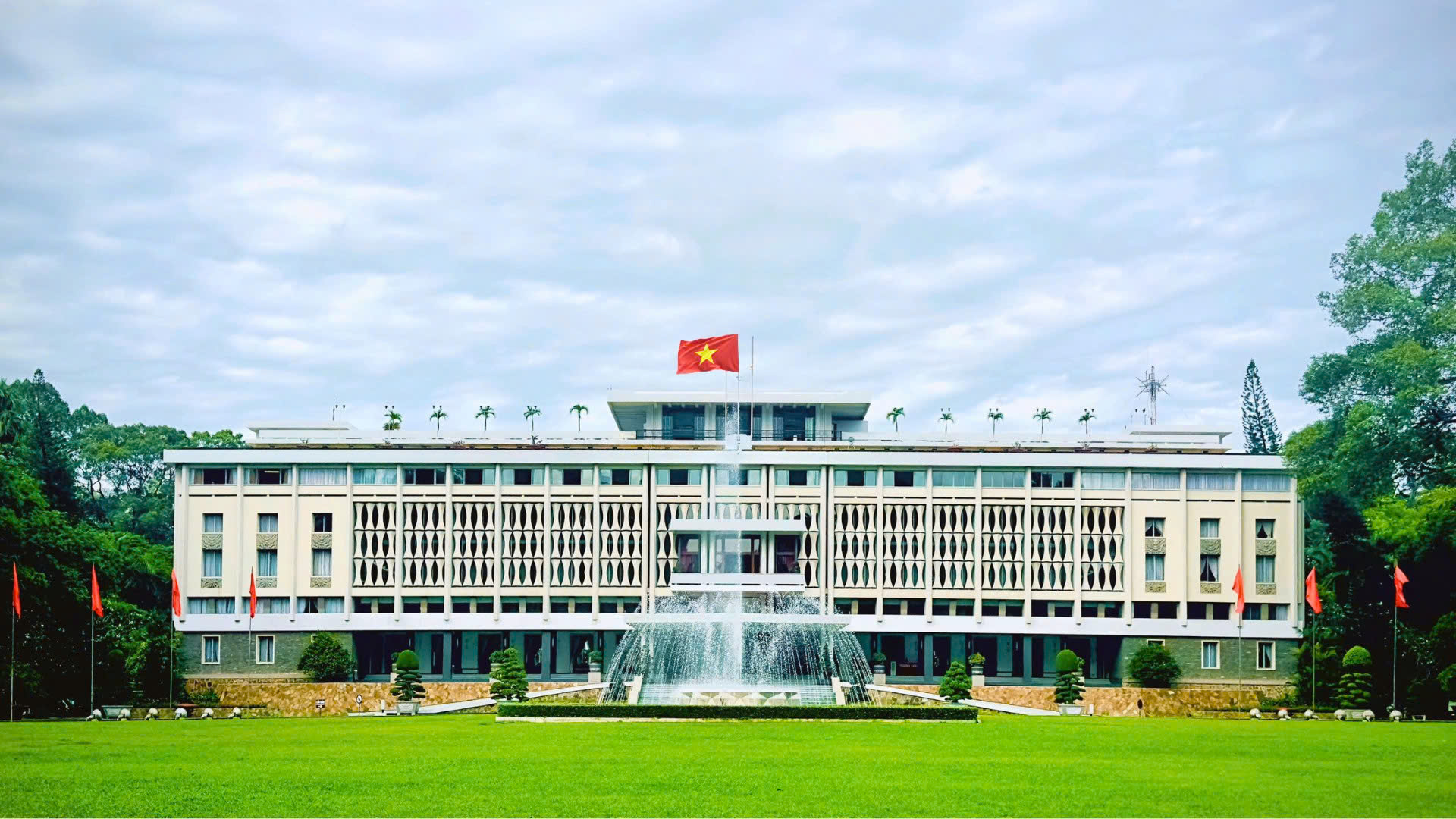


Architecture of the Independence Palace
The Independence Palace is a representative architectural work designed by architect Ngô Viết Thụ. Construction began on July 1, 1962, and the Palace was officially inaugurated on October 31, 1966. The building features a modern architectural style harmoniously combined with the spirit of traditional East Asian architecture, reflected through its overall layout, structural lines, symbolic elements, and spatial organization.

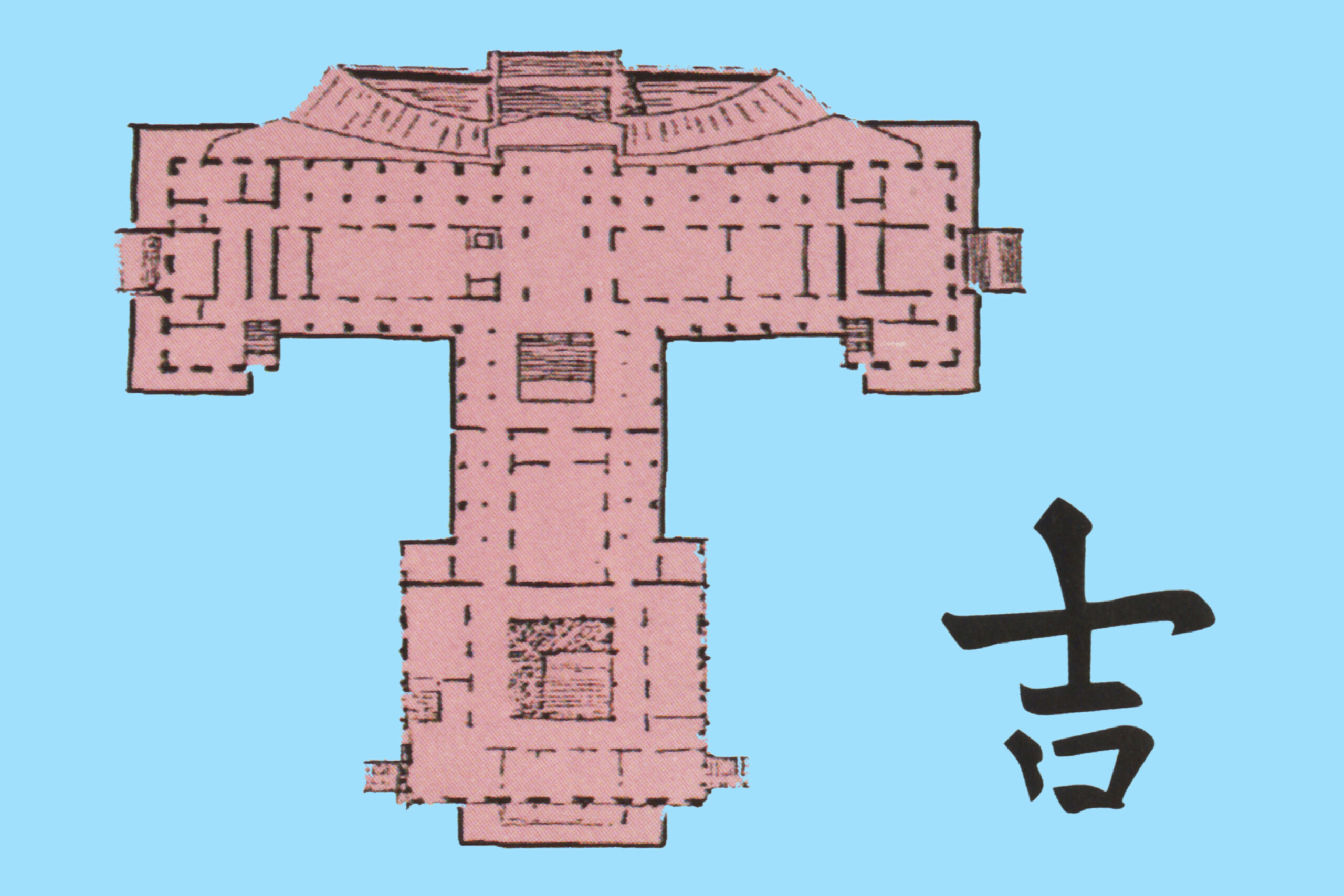
The overall layout of the Palace is designed in the shape of the Chinese character CÁT (吉), symbolizing good fortune and prosperity. At the center of the Palace is the Hall for the Presentation of Credentials. The rooftop level is known as the Pavilion of Universal Peace, designed in the shape of the character KHẨU (口), representing the spirit of education and freedom of speech. When combined with the central flagpole, the character Khẩu forms the character TRUNG (中), symbolizing loyalty and integrity in the pursuit of democracy.
The lines of the roof eaves and balconies form the character TAM (三), evoking the concept of “three pillars of democracy”: Humanity – Wisdom – Courage, expressing the aspiration for national development based on people of virtue, intelligence, and resilience. The three horizontal strokes combined with a vertical stroke form the character VƯƠNG (王); with the addition of the flag tower above, it becomes the character CHỦ (主), symbolizing national sovereignty. The entire front façade, including the second- and third-floor balconies, roof eaves, and two wooden columns, forms the character HƯNG (興), conveying wishes for national peace, stability, and prosperity.
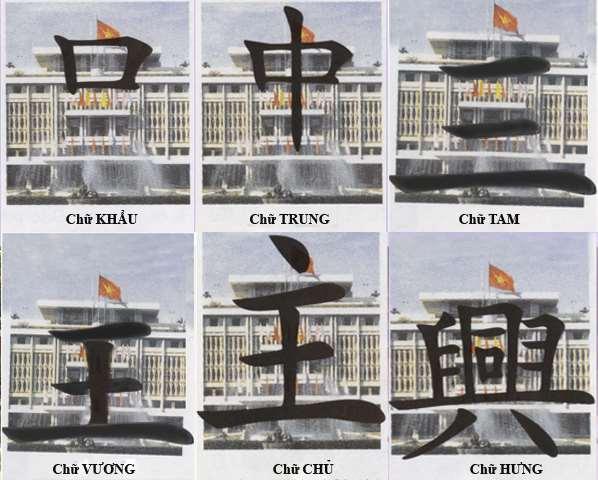
Design principles of the Independence Palace by architect Ngô Viết Thụ
The architectural beauty of the Palace is further expressed through the decorative stone screens surrounding the second floor. These screens are inspired by stylized bamboo segments, derived from the traditional “bàn khoa” doors of imperial palaces in Huế. In addition to their aesthetic value, the stone screens help regulate natural light.

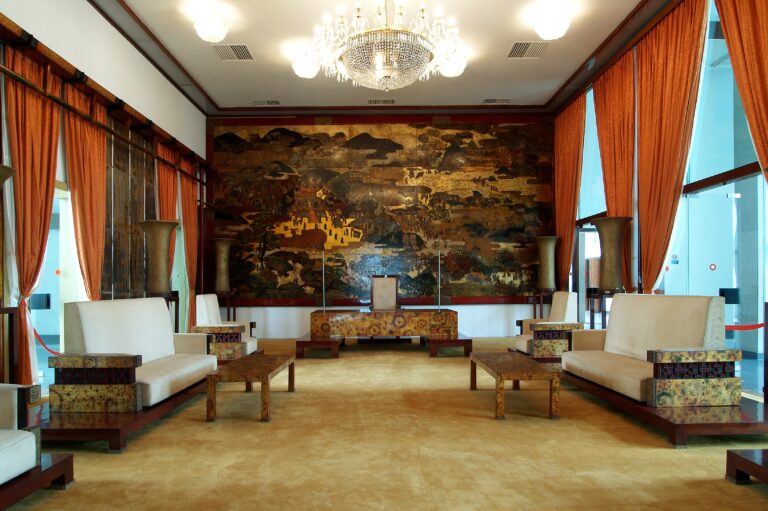
The interior spaces feature straight, clear lines that reflect the philosophy of openness and integrity. Corridors, grand halls, and functional rooms are arranged in a balanced and elegant manner, suitable for their intended purposes.

The main building has a T-shaped layout with a floor area of 4,500 m² and a height of 26 meters, located at the center of the site. It once served as the residence and workplace of the President of the Republic of Vietnam. The structure includes three main floors, two mezzanines, one rooftop terrace, one ground floor, and one basement, with a total usable area of 20,000 m² and nearly 100 rooms, each designed with its own function and decorative style appropriate to its use.



In front of the Palace lies an oval-shaped lawn with a diameter of 102 meters, creating a spacious and tranquil atmosphere for visitors. Running across the front of the grand hall is a semi-circular pond planted with lotus and water lilies, recalling the peaceful water features commonly found in traditional Vietnamese temples and pagodas.

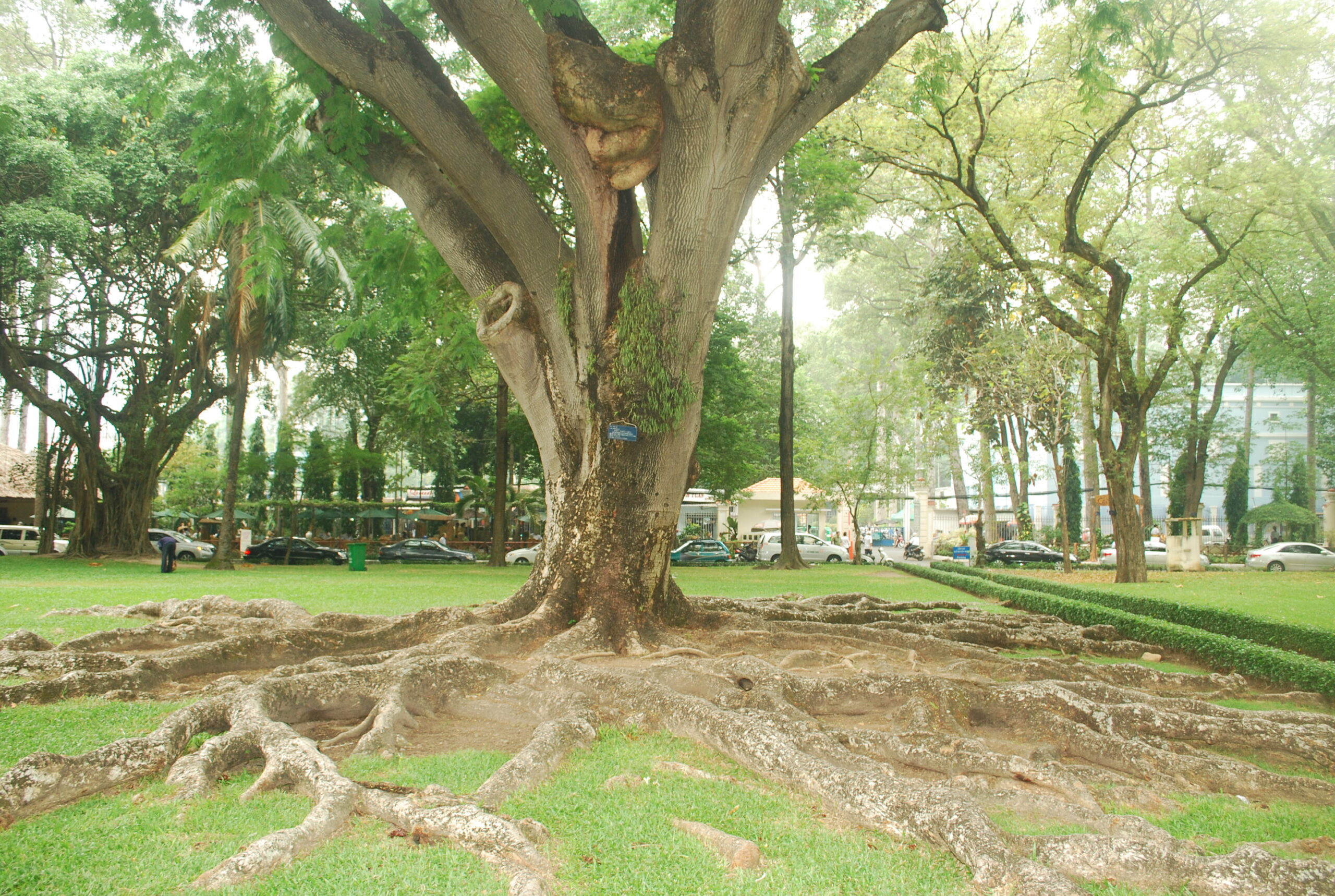
Surrounding the Palace is a landscape system of lawns, ancient trees, ornamental plants, and four tennis courts located behind the main building, contributing to a green and harmonious environment for the entire historical site.

In addition to the main building, at the corner facing Nguyễn Du Street, there is a two-story building in French architectural style, constructed during the same period as the former Norodom Palace. Today, this building is used to host the exhibition “From Norodom Palace to Independence Palace.”

At the corner along Nguyễn Thị Minh Khai Street stands an octagonal pavilion with a diameter of 4 meters, built on an elevated mound. Without enclosing walls and featuring a traditional curved tile roof, it serves as a resting and relaxation space.

The Palace grounds cover an area of 120,000 m² (300 m × 400 m) and are bounded by four major streets:
- Nam Kỳ Khởi Nghĩa Street to the northeast (main façade of the Palace);
- Huyền Trân Công Chúa Street to the southwest (rear side of the Palace);
- Nguyễn Thị Minh Khai Street to the northwest (left side of the Palace);
- Nguyễn Du Street to the southeast (right side of the Palace).

The architecture of the Independence Palace is a harmonious synthesis of modernity and tradition, reflecting the creative vision of architect Ngô Viết Thụ. Beyond its aesthetic value, the Palace carries profound symbolic meanings related to Eastern philosophy, national sovereignty, and aspirations for peace and prosperity.