


More than just a historical monument, the Independence Palace stands as a symbol of peace—a place where history does not remain in the past but remains vivid, inspiring and illuminating the developmental journey of an entire nation.
The year 2025 marks exactly 50 years since the country’s complete reunification. Amidst the powerful rhythm of development in today’s Ho Chi Minh City, there remains a space that fully preserves the memories of that historical moment: the Independence Palace.
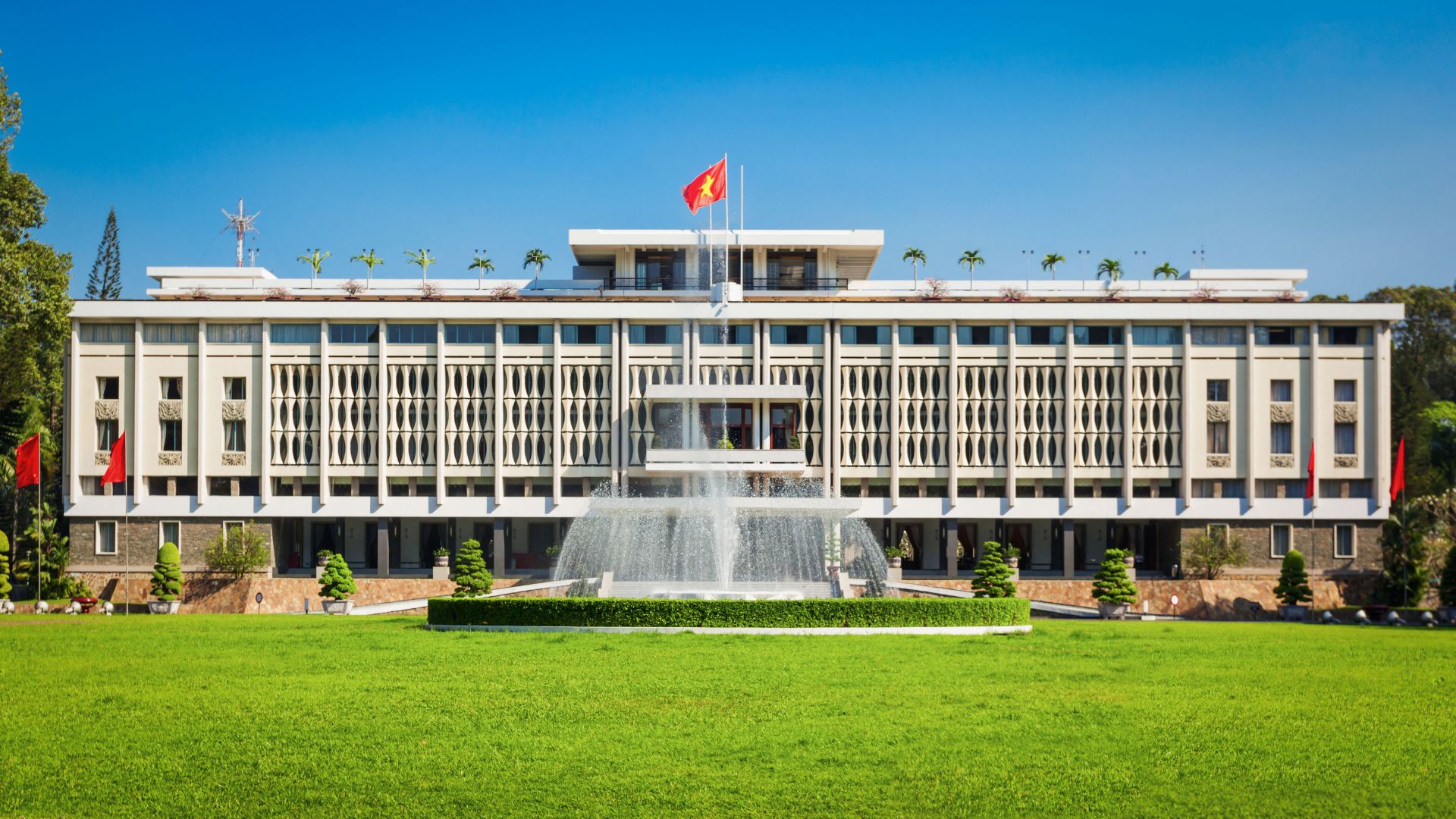
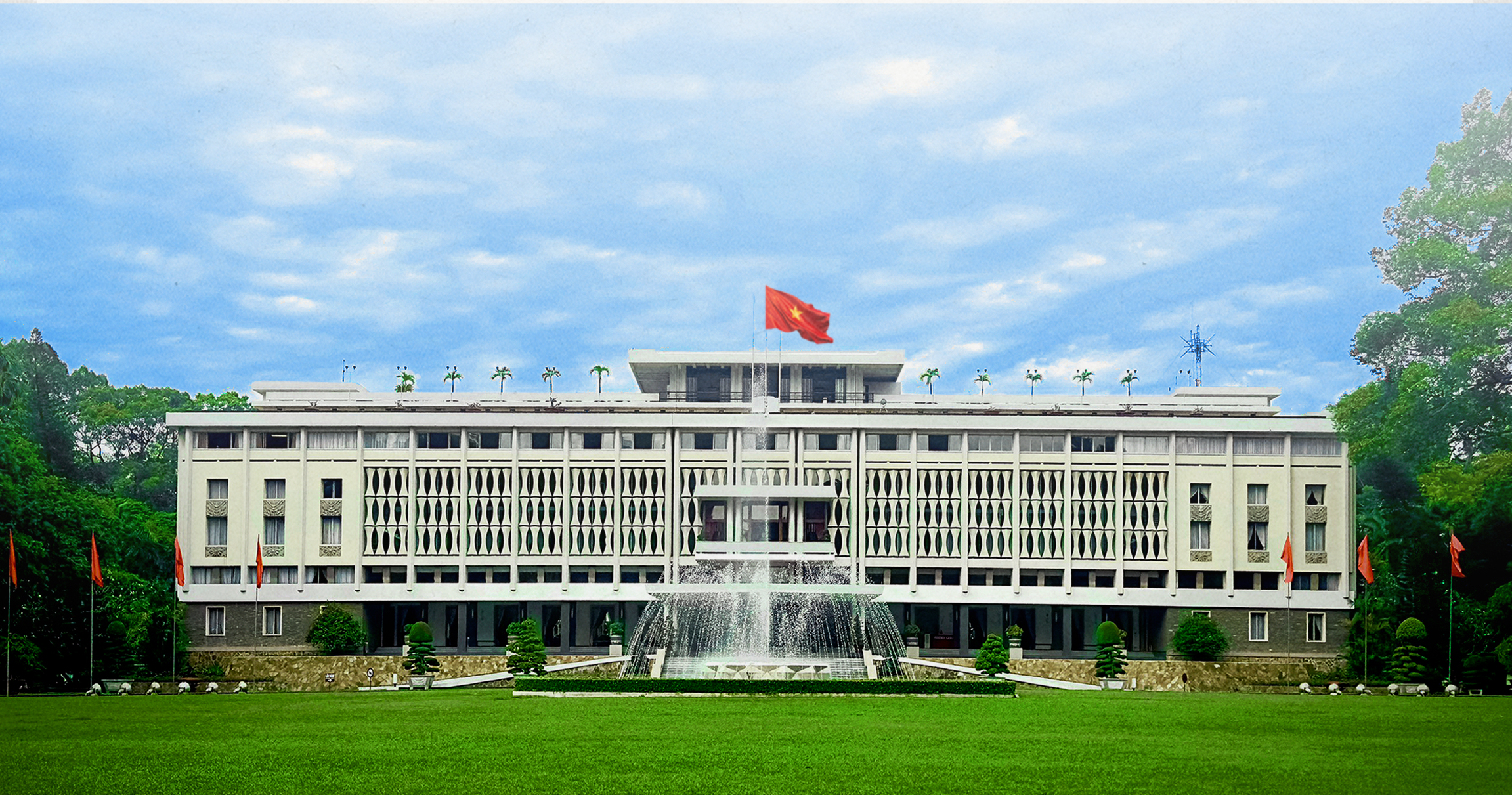
Independence Palace, also known as Reunification Hall, is a historical landmark favored by both domestic and international tourists visiting the city. Photo: Andrey X.
From a historic moment to an ENDURING SYMBOL OF PEACE
At noon on April 30, 1975, as the flag of the National Liberation Front for South Vietnam was raised atop the Independence Palace, a new chapter of history officially dawned for Vietnam. It was more than just the end of the war; it marked the beginning of an era of peace, reunification, and sustainable development.
Located in the heart of the city named after President Ho Chi Minh, the Independence Palace has become a sacred landmark tied to the nation’s journey of struggle and creation. This space preserves not only historical artifacts but also the spirit of solidarity, patriotism, and the yearning for independence that have forged the character of modern Vietnam.
Over the past half-century, the Palace has served not only as a place for remembrance and reflection but also as a living symbol of the will for national unity. It is a destination where people from across the country and international friends come to gain a deeper understanding of a nation that never yields to hardship, always rising with a profound aspiration for freedom and peace.
Today, amidst the vibrant rhythm of a modern metropolis, the Independence Palace maintains its unique sense of serenity and solemnity. Every step through those gates is a journey back through history—a reminder of the value of peace: something that may seem inherent, yet must always be preserved through understanding and gratitude.
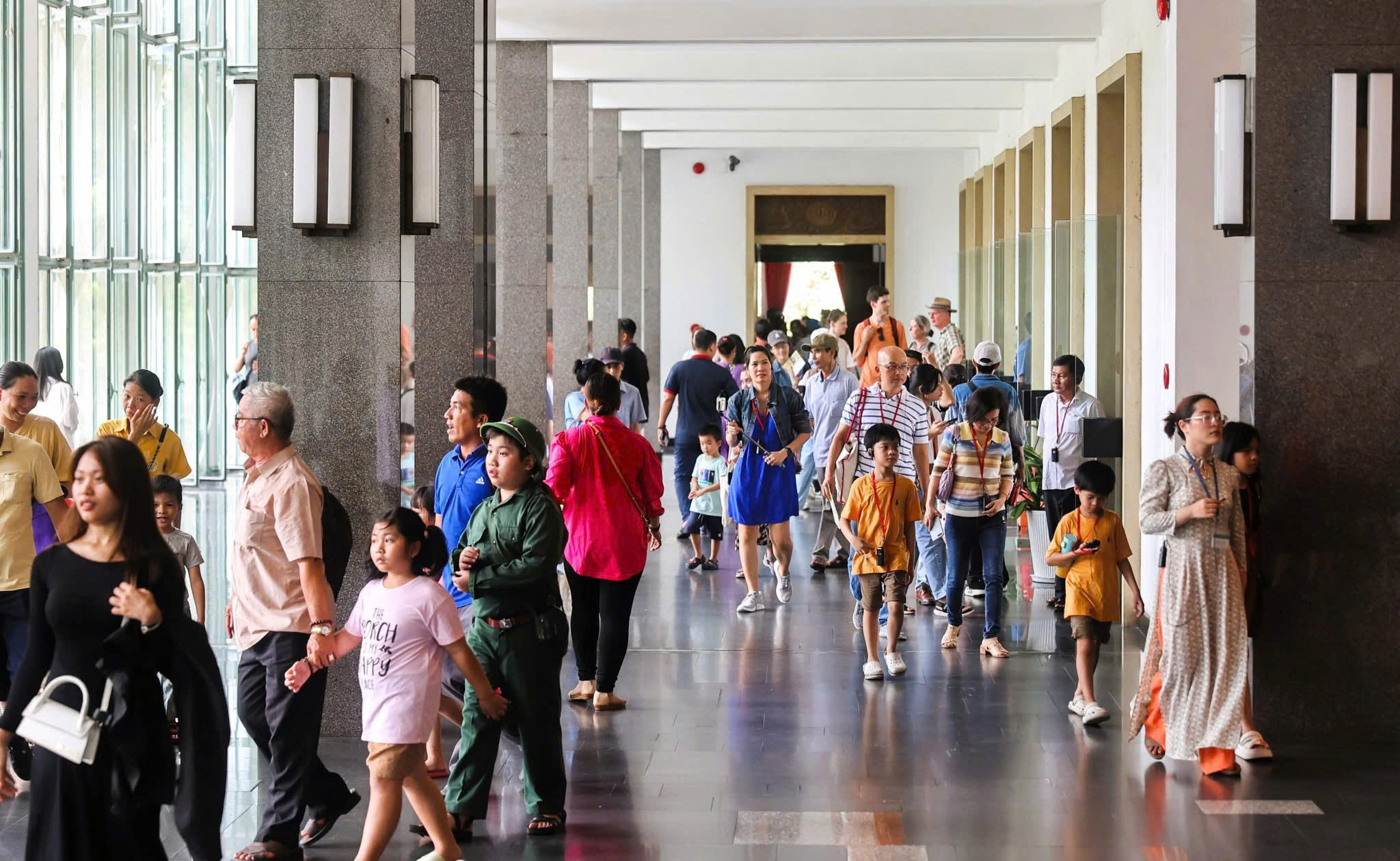
A large number of visitors inside the Independence Palace.
A historical destination WITH LAYERS OF MEANING
As one of the few historical structures that has preserved almost its entire architecture and layout since the day of liberation, the Independence Palace holds a unique fascination for both domestic and international tourists. Locations such as the Banquet Hall, the Cabinet Room, the War Room, and the underground bunkers are more than just physical spaces—they are fragments of memory, authentically recounting the political and military life during a pivotal period in the nation’s history.
However, the value of the Independence Palace extends far beyond its role as a historical monument. It is a living museum of the will for national independence, a ‘blackboard-less’ classroom for all generations, and a cultural destination that touches hearts through profound experiences. Moving beyond being just a place to ‘look back,’ the Palace is increasingly asserting its role as a center for historical and cultural education—an open space connecting generations where history is told not only through artifacts but through visual engagement, emotional resonance, and modern technological interaction.
At the Independence Palace, the past is never forgotten; it remains vivid, engaging the senses and awakening patriotism. Here, memories are passed down, identity is reawakened, and national pride is carried forward with every visitor’s footstep.
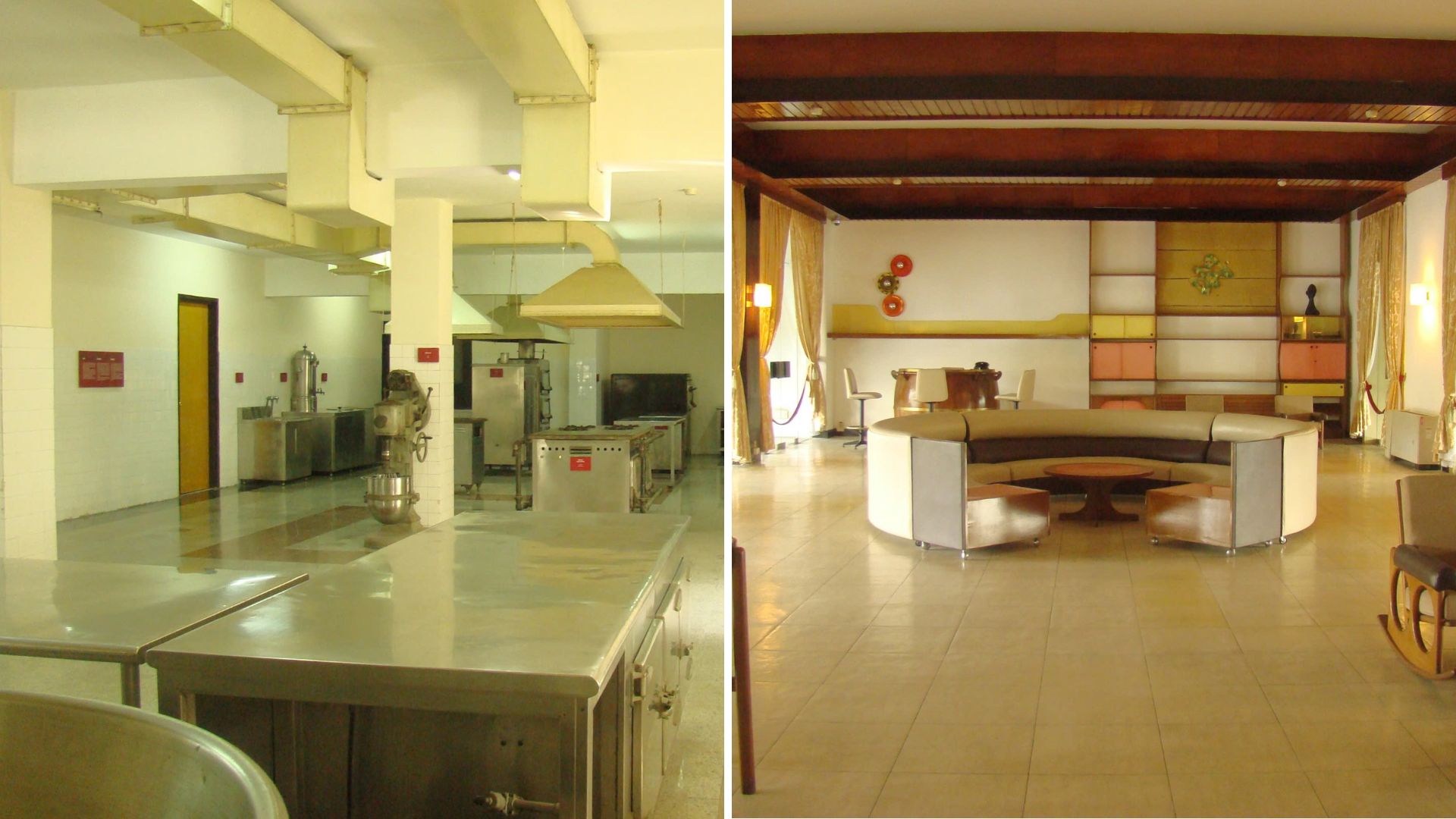
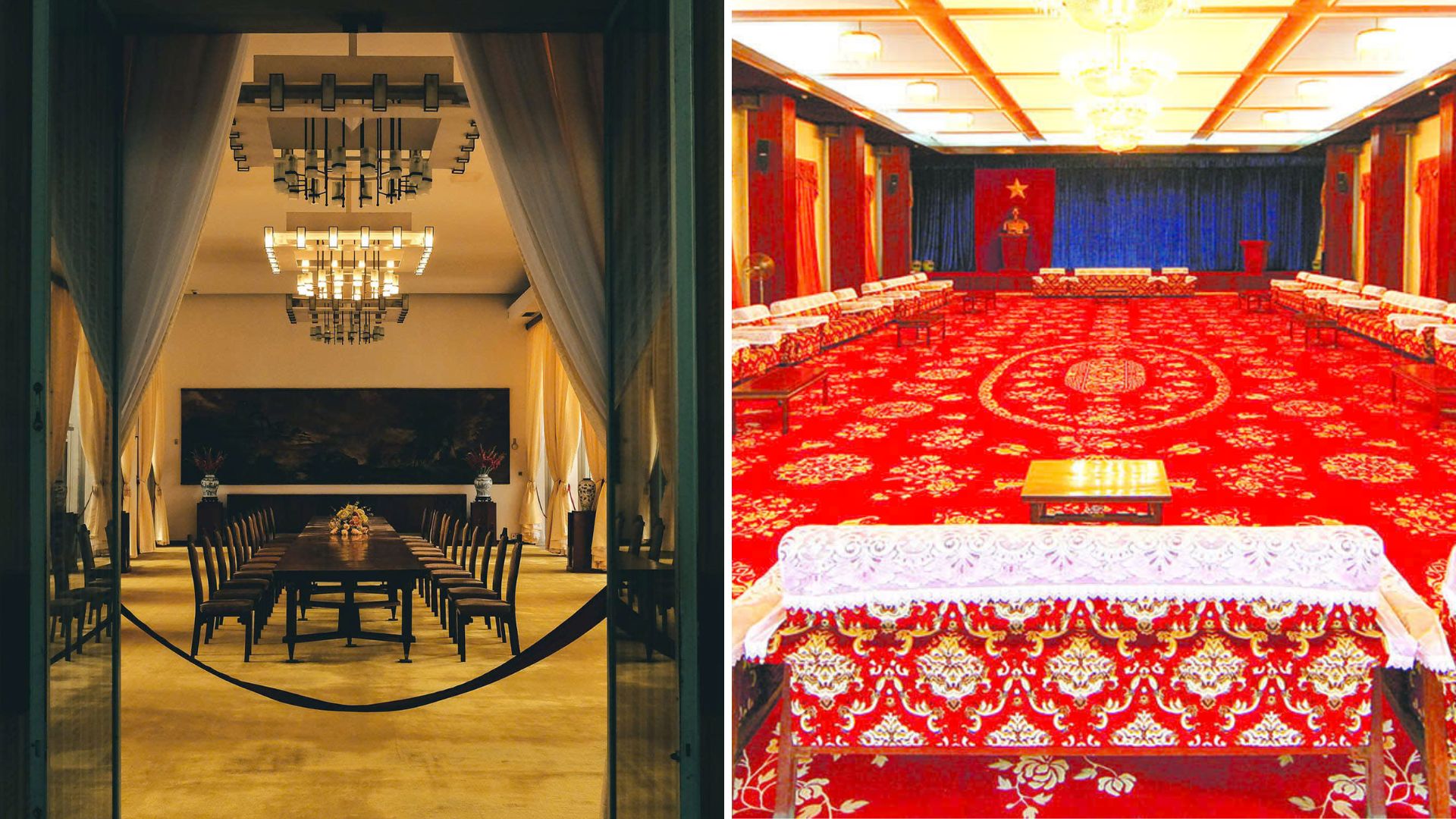
The exhibition areas within the Independence Palace are artfully arranged, preserving their historical authenticity while deeply resonating with the emotions of visitors.
Contributing to enriching the CITY’S TOURISM IDENTITY
Within Ho Chi Minh City’s cultural tourism development strategy, the Independence Palace serves as a vital bridge connecting key landmarks such as Notre Dame Cathedral, the Central Post Office, Nguyen Van Binh Book Street, and April 30th Park. These are not merely sightseeing spots but cultural layers that form the urban identity of Saigon – Gia Dinh, both past and present.
In recent years, innovative activities—including thematic exhibitions, multilingual audio guides, interactive technology, and Virtual Reality (VR) experiences—have brought the Independence Palace closer to the younger generation while enhancing service quality for international tourists. These efforts go beyond mere service; they reflect a clear vision: transforming a historical site into a ‘living space’ where locals and visitors alike can feel, understand, and form a deep connection.
Integrating the Independence Palace into the ‘Saigon – Gia Dinh Memory Journey’ tour creates a fresh approach that highlights the historical depth of Ho Chi Minh City. Tourism here is more than a visit; it is a journey back to the city’s urban identity, where past and present seamlessly intertwine.
Tourism identity lies not in glamour, but in how Ho Chi Minh City tells its own story. The Independence Palace stands as a crucial pillar—a vivid testament to the journey from history to the future, from a triumphant past to the image of a modern, dynamic city that never forgets its roots.

Students visiting and learning about history at the Independence Palace
Towards a VIBRANT HERITAGE SPACE
Modern tourism emphasizes experience, culture, and emotion. The Independence Palace is not only a vital historical monument but also holds the potential to become a living heritage center in the heart of Ho Chi Minh City.
Currently, thematic storytelling, documentary exhibitions, group tours, and educational services for students are being maintained and improved. These form the foundation for developing on-site history programs, themed tourism products, and interactive experiences tailored for the younger generation.
To revitalize cultural tourism, the Independence Palace could introduce night-time experiences featuring artistic lighting, historical storytelling through performance technology, or themed night tours. These activities would not only extend the visitation hours but also allow visitors to approach history in a more profound, intimate, and emotional way.
Beyond its architecture and landscape, the ceramic details throughout the interior and exterior of the Palace hold exceptional aesthetic and cultural value. Ceramics are not merely decorative materials; they reflect identity through modern design. Leveraging this element through specialized displays, interpretative storytelling, or connections with traditional crafts will enrich the tourism experience and honor national artistry within architecture.
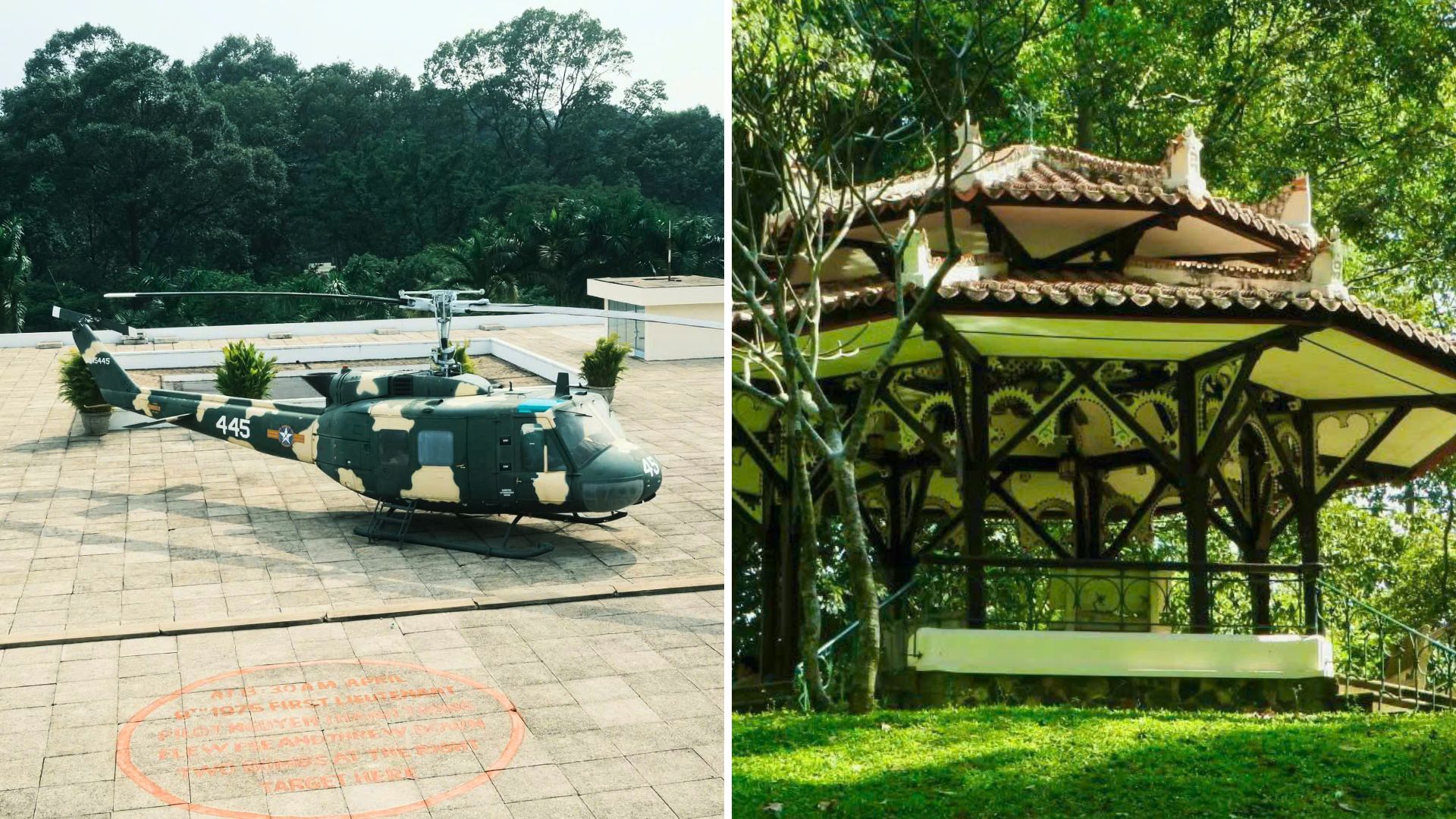
The Independence Palace holds great potential for developing night tourism, an effective trend seen in many world heritage sites. The Palace’s architectural space and landscape are perfectly suited for evening programs that utilize artistic lighting and sound to recreate the historic moments of April 30th, offering a refined and deeply emotional experience.
Furthermore, historical tours after sunset would allow visitors to immerse themselves in memory amidst the modern city. These products not only extend the exploration time of the monument but also create a new form of cultural tourism, connecting visitors with heritage through a multi-sensory, profound, and memorable experience.
Heritage is preserved not only through conservation but also by being brought back to life through community connection and innovative approaches. With its historical standing, unique architecture, and central location, the Independence Palace can become an open urban heritage center—a place where national memory is conveyed through living spaces, practical experiences, and a creative spirit, seamlessly connecting the past, present, and future.
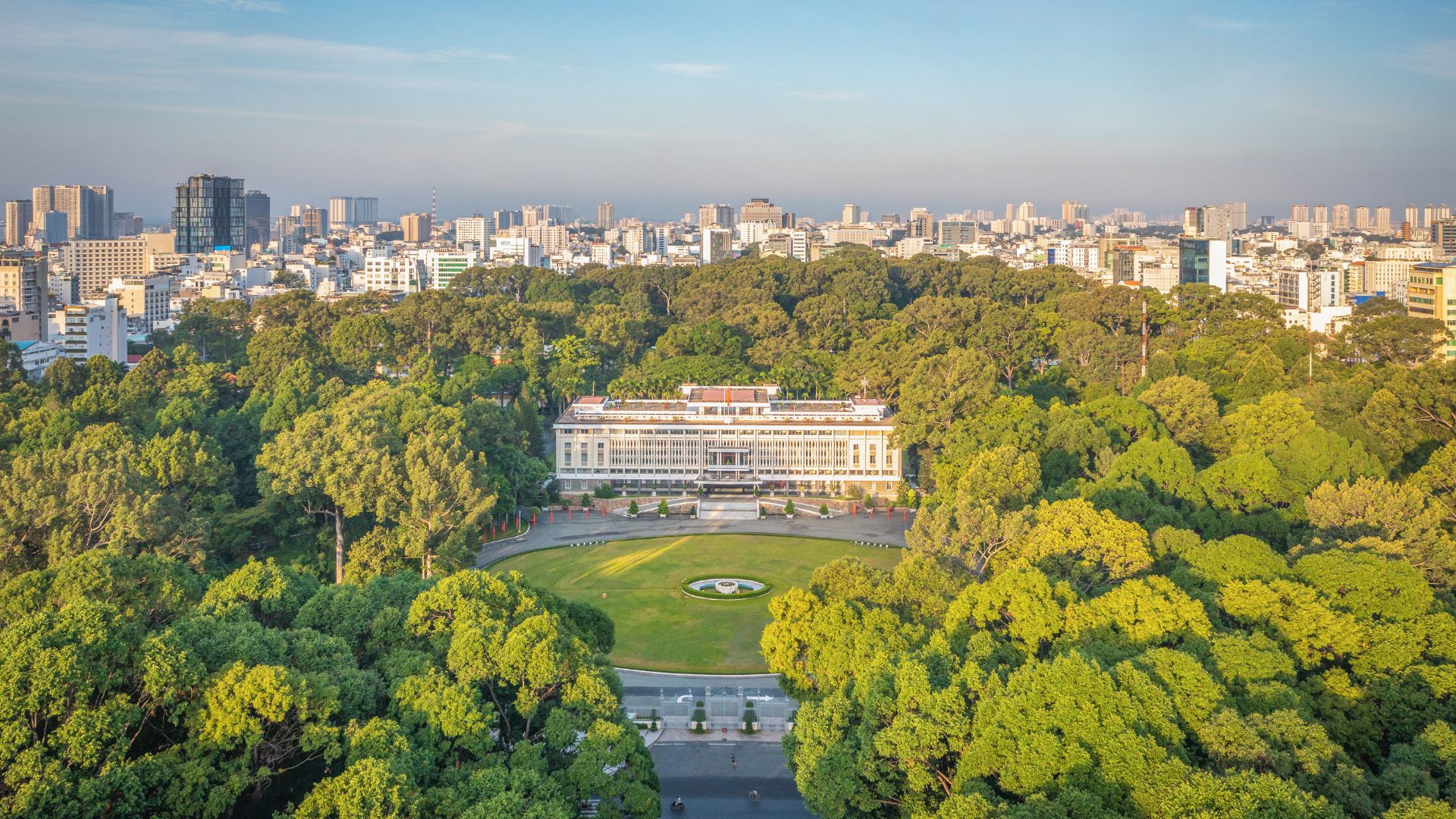
The Independence Palace could research and develop night-time experiential tourism products, utilizing artistic lighting technology to highlight symbolic details. Photo: Trung Pham/Getty Images.
Heritage is not just for remembering, BUT FOR CARRYING FORWARD
In the 50-year journey since national reunification, the Independence Palace has served as a constant reminder to today’s generations of the sacrifices, ideals, and aspirations that forged independence and peace for the Vietnamese nation. Yet, beyond its role for remembrance and reflection, this monument conveys a positive message: peace is the starting point for a long-term journey of development, built on the foundations of solidarity, resilience, and faith in the future.
Since the event of April 30, 1975, the Independence Palace has become a symbol of peace, unity, and patriotism. Amidst the vibrant rhythm of Ho Chi Minh City, the Palace stands as an anchor of memory—a place where generations connect with history, experience culture, and awaken national pride in a sincere and profound way.
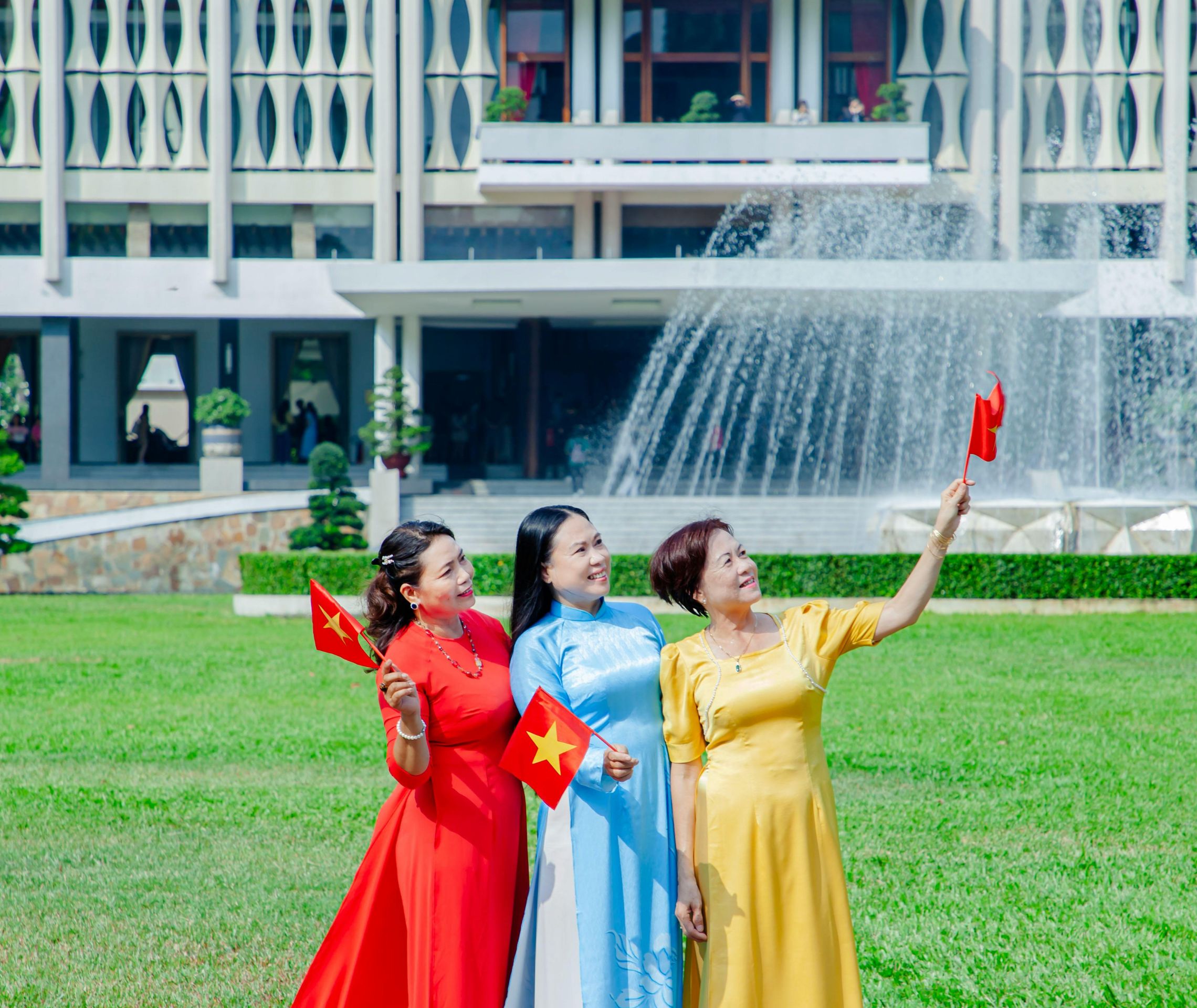
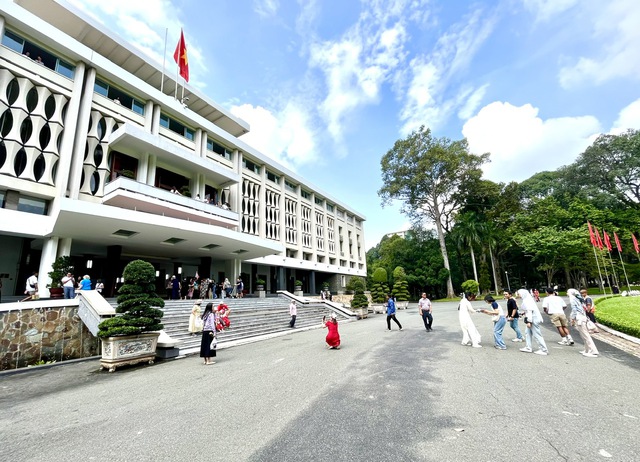
Tourists checking in at the Independence Palace grounds. Photo: The Pham/Pexels.
Within the strategy to develop Ho Chi Minh City into a civilized, modern, and integrated metropolis, the Independence Palace holds a special position as a living symbol of peace. It does not merely preserve history but also nurtures patriotism, inspires historical learning, and spreads humanitarian values to the international community.
With proper investment and a strategic vision, the Independence Palace will continue to serve as a bridge between generations, the past, and the present. It stands as a testament to the vitality of heritage in the era of integration, and a symbol of Vietnam’s aspirations for peace, development, and sustainability.
![[Photo] Independence Palace – Preserving the imprints of history after 50 years of liberation](https://www.dinhdoclap.gov.vn/wp-content/uploads/2025/12/anh-dinh-doc-lap-noi-luu-giu-dau-an-sau-50-nam-giai-phong-9976.jpg)